
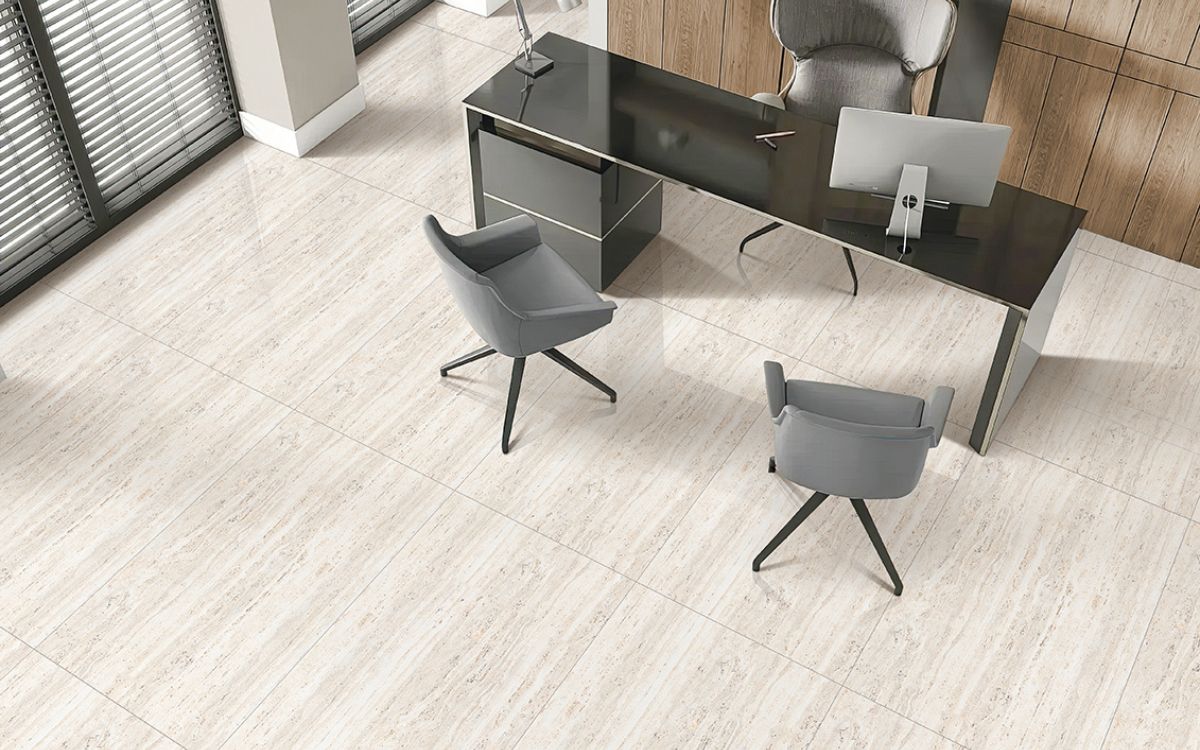
Commercial spaces demand more than just visual appeal. From corporate offices and shopping malls to hotels, hospitals, educational institutions, and retail showrooms, flooring and wall surfaces must balance durability, performance, safety, and aesthetics. Selecting the right tiles for commercial projects plays a crucial role in ensuring long-term functionality while maintaining a professional and attractive environment.
Unlike residential spaces, commercial areas experience heavy foot traffic, equipment movement, and continuous usage. Therefore, choosing tiles requires a strategic approach that considers technical specifications, design harmony, maintenance needs, and cost efficiency.
Understanding Commercial Project Requirements
Before selecting tiles, it is essential to understand how the space will be used. Every commercial environment has unique requirements.
For example:
- Retail showrooms require visually attractive flooring that enhances product displays.
- Hospitals prioritize hygiene and easy cleaning.
- Corporate offices focus on professionalism and comfort.
- Airports and malls demand high durability due to constant footfall.
Evaluating traffic volume, moisture exposure, and maintenance expectations helps determine the most suitable tile type.
Prioritize Durability and Strength
Durability is the most important factor in commercial tile selection. Surfaces must withstand daily wear caused by thousands of footsteps, furniture movement, and cleaning equipment.
Vitrified tiles, full-body tiles, and double charge tiles are often preferred because of their dense composition and high load-bearing capacity.
High-quality tiles resist:
- Scratches
- Surface wear
- Impact damage
- Heavy loads
Choosing durable materials reduces repair costs and ensures consistent appearance over time.
Consider Foot Traffic Levels
Commercial environments vary widely in traffic intensity.
High-Traffic Areas
Shopping malls, corridors, reception areas, airports, and restaurants require tiles with maximum abrasion resistance.
Double charge or full-body vitrified tiles perform exceptionally well in these environments because their design layer penetrates deeper into the tile body.
Medium Traffic Areas
Corporate cabins, meeting rooms, and retail interiors can benefit from GVT or PGVT tiles that combine durability with modern design aesthetics.
Low Traffic Areas
Decorative spaces such as feature walls or lounges allow greater flexibility in design-focused tile selection.
Understanding traffic intensity prevents premature wear and costly replacements.
Slip Resistance and Safety
Safety is a critical concern in commercial spaces.
Wet surfaces increase the risk of accidents in areas such as:
- Hospitals
- Restaurants
- Entrances
- Bathrooms
- Outdoor walkways
Matte or textured finishes provide better grip compared to highly polished surfaces.
Slip-resistant tiles help reduce liability risks while improving user comfort.
For outdoor areas or public access zones, selecting anti-slip surfaces is highly recommended.
Size Selection Matters
Tile size significantly impacts both aesthetics and installation efficiency.
Large-format tiles such as 600x1200mm or 800x1600mm are increasingly popular in modern commercial architecture.
Benefits of Large Tiles:
- Fewer grout joints
- Seamless appearance
- Faster installation in large areas
- Modern minimal aesthetic
Large tiles create openness in expansive areas like hotel lobbies and showrooms.
Medium-sized tiles like 600x600mm remain versatile for offices and retail flooring because they balance practicality and design flexibility.
Choosing tile size according to space proportions ensures visual harmony.
Design and Brand Identity
Commercial interiors often reflect a company’s brand identity.
Hotels may choose luxurious marble-look tiles to create elegance. Retail stores may prefer neutral tones to highlight products. Corporate offices typically select calm textures to promote professionalism.
Modern digital printing technology allows tiles to replicate natural stone, concrete, wood, or contemporary textures.
Consistency across floors and walls strengthens overall architectural identity.
Neutral colors such as grey, beige, and natural stone shades remain popular because they age well and adapt to changing interior themes.
Maintenance and Cleaning Requirements
Maintenance plays a major role in commercial flooring decisions.
Facilities operating daily cannot afford frequent maintenance disruptions.
Vitrified tiles offer low water absorption and stain resistance, making them easier to clean.
Key maintenance considerations include:
- Resistance to stains and chemicals
- Ease of mopping and cleaning
- Minimal grout maintenance
Tiles that maintain shine without polishing significantly reduce operational costs.
Hospitals, airports, and retail environments especially benefit from easy-clean surfaces.
Thickness and Load Bearing Capacity
Commercial flooring often supports heavy furniture, machinery, or trolley movement.
Tiles with higher thickness and density offer better performance under stress.
In showrooms or warehouses, flooring must resist cracking under heavy loads.
Consulting manufacturers about technical specifications such as breaking strength and water absorption ensures appropriate selection.
Indoor vs Outdoor Applications
Outdoor commercial spaces require additional considerations.
Exposure to sunlight, rain, and temperature variations can affect tile performance.
Outdoor tiles should offer:
- Weather resistance
- Slip resistance
- Strength against expansion and contraction
Textured or matte finishes perform better outdoors compared to glossy surfaces.
Parking areas and entrances particularly require heavy-duty tiles capable of handling vehicles and environmental exposure.
Installation Quality is Essential
Even the best tiles fail if installation quality is poor.
Professional installation ensures:
- Proper leveling
- Correct adhesive usage
- Uniform grout spacing
- Structural stability
Large-format tiles especially require skilled handling.
Using experienced installers reduces risks such as hollow sounds, cracking, or uneven surfaces.
Sustainability and Environmental Responsibility
Modern commercial construction increasingly prioritizes sustainability.
Long-lasting tiles contribute to environmentally responsible architecture by reducing replacement frequency.
Manufacturers using efficient production systems and responsible material sourcing support green building practices.
Choosing durable tiles aligns with sustainability goals while lowering lifecycle costs.
Budget vs Long-Term Value
Commercial buyers often focus on upfront cost, but long-term performance matters more.
Cheaper materials may require frequent repairs or replacements.
Investing in premium-quality tiles provides:
- Extended lifespan
- Lower maintenance costs
- Reduced downtime
When evaluated over years of usage, durable tiles become more economical.
Collaboration with Architects and Designers
Successful commercial projects involve collaboration between architects, designers, and manufacturers.
Tile manufacturers provide valuable insights into:
- Technical performance
- Size availability
- Design compatibility
- Installation recommendations
Early consultation ensures materials align with project goals.
Mockups or sample installations help visualize the final outcome before large-scale execution.
Future Trends in Commercial Tile Selection
Commercial architecture continues evolving toward minimalism and functionality.
Popular trends include:
- Large seamless slabs
- Stone and concrete finishes
- Neutral color palettes
- Sustainable materials
Businesses increasingly seek surfaces that combine modern aesthetics with practicality.
Tiles capable of adapting to changing interior styles provide long-term flexibility.
Conclusion
Choosing the perfect tiles for commercial projects requires balancing performance, design, safety, and long-term value. From durability and slip resistance to size selection and maintenance requirements, every factor contributes to project success.
High-quality vitrified and double charge tiles provide strength and aesthetic versatility suited for demanding environments. When selected carefully and installed professionally, they enhance functionality while creating visually impressive spaces.
In modern commercial architecture, tiles are more than surfaces — they are investments that shape experience, brand perception, and operational efficiency for years to come.