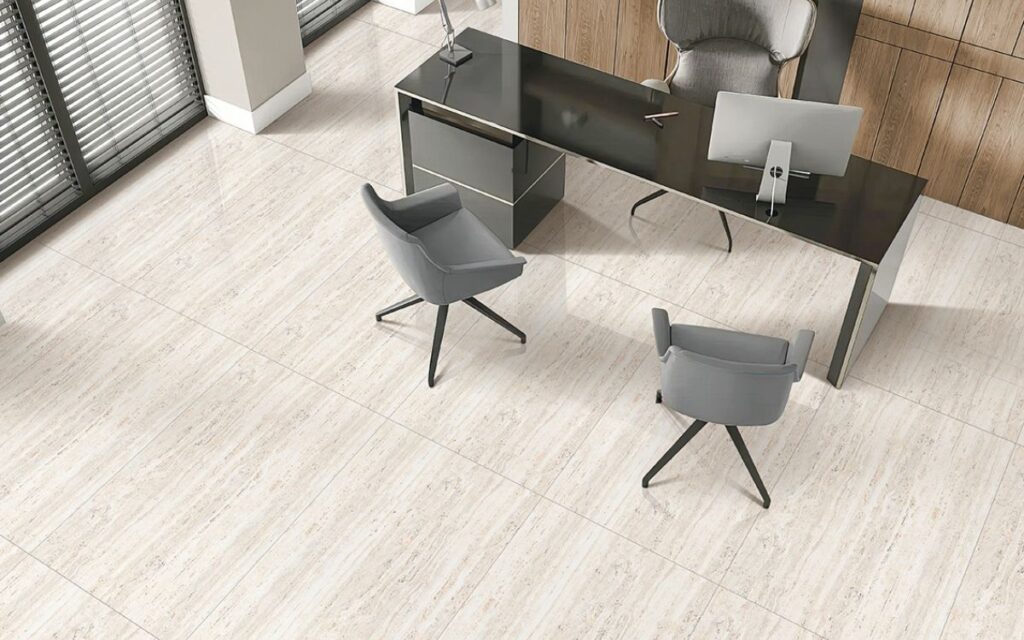
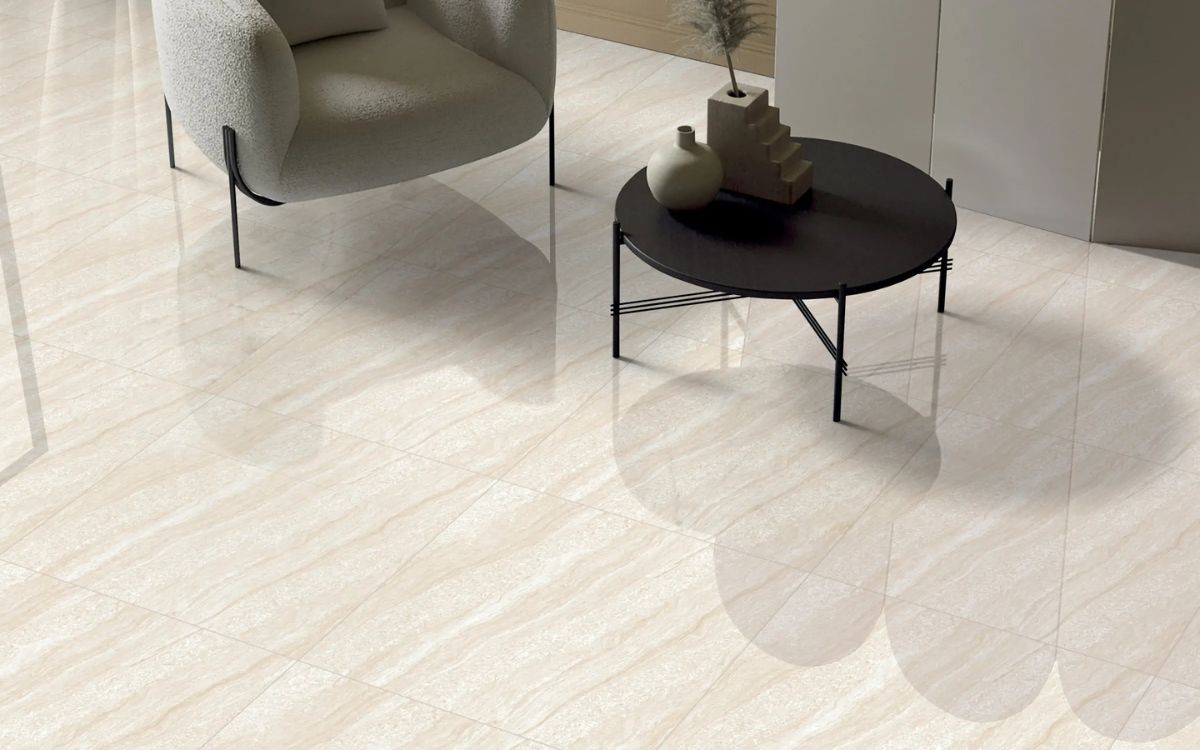
Tiles play a defining role in modern architecture and interior design. Beyond color and texture, tile size significantly influences how a space feels, functions, and flows. In contemporary spaces where minimalism, openness, and visual continuity are key, selecting the right tile size becomes a strategic design decision rather than just a material choice.
Whether designing a compact apartment, a luxury villa, a corporate office, or a retail environment, understanding how tile dimensions impact perception, maintenance, and performance can transform an ordinary space into something exceptional.
Why Tile Size Matters
Tile size directly affects visual balance, proportion, and spatial perception. Larger tiles create fewer grout lines, resulting in a seamless and expansive appearance. Smaller tiles, on the other hand, introduce more detail and texture, often enhancing compact or decorative areas.
In contemporary design, where clean lines and uncluttered aesthetics dominate, tile size contributes to the overall harmony of a space. The right dimensions can make a small room appear larger, a large area feel cohesive, and high-traffic spaces maintain durability without compromising elegance.
Large Format Tiles: Expansive and Minimal
Large-format tiles such as 600x1200mm, 800x1600mm, and bigger slab sizes are increasingly popular in modern architecture. Their ability to reduce grout lines creates a sleek, uninterrupted surface that enhances visual openness.
Benefits of Large Tiles:
- Create an illusion of larger space
- Offer seamless, luxurious aesthetics
- Require less grout maintenance
- Ideal for open-plan layouts
Large tiles work beautifully in living rooms, hotel lobbies, commercial spaces, and spacious bathrooms. When installed correctly, they produce a refined, high-end look that aligns perfectly with contemporary minimalism.
For flooring, especially in modern homes, larger tiles deliver a clean and balanced feel. In commercial environments, they reflect professionalism and sophistication.
Medium Format Tiles: Versatile and Balanced
Sizes like 600x600mm strike the perfect balance between practicality and design flexibility. These tiles are widely used because they adapt easily to both compact and spacious interiors.
Why Choose Medium Sizes?
- Easy installation and handling
- Suitable for residential and commercial floors
- Balanced grout visibility
- Cost-effective yet stylish
Medium-sized tiles are excellent for bedrooms, kitchens, offices, and retail spaces. They provide a modern look without overwhelming the room, making them a safe and versatile choice for contemporary interiors.
Small Format Tiles: Detail and Character
While contemporary design often leans toward larger formats, small tiles still have their place. They are particularly useful for feature walls, backsplashes, bathrooms, and decorative areas.
Smaller tiles introduce texture and personality. In compact bathrooms or niche areas, they allow better slope management and detailed layouts. However, they create more grout lines, which may require additional maintenance.
Choosing Tile Size Based on Room Type
Living Room
In modern living rooms, large-format tiles create a unified visual flow. Sizes like 600x1200mm or bigger enhance openness and reflect natural light beautifully. If the room is smaller, lighter-colored large tiles can make it feel expansive.
Kitchen
Kitchens demand both durability and style. Medium or large tiles are ideal for flooring as they offer easy cleaning and stain resistance. For backsplashes, smaller decorative tiles can add contrast without overpowering the design.
Bathroom
Bathrooms benefit from strategic tile sizing. Large tiles on walls reduce grout lines and create a spa-like feel. Smaller tiles may be used in shower floors for better grip and drainage.
Commercial Spaces
Offices, showrooms, and malls often prefer large-format tiles to convey professionalism and grandeur. They also reduce installation time in large areas and provide a seamless finish.
The Role of Grout Lines
Grout lines influence the final appearance more than many realize. Larger tiles mean fewer grout lines, resulting in a cleaner aesthetic. Matching grout color to the tile creates visual continuity, while contrasting grout emphasizes patterns.
Contemporary spaces typically favor minimal grout visibility to maintain sleekness.
Proportion and Layout Considerations
Choosing the right size also depends on the room’s proportions. In narrow spaces, rectangular tiles installed lengthwise can visually elongate the area. Square tiles create symmetry and balance.
Tile layout patterns—such as straight, staggered, or herringbone—also affect how size is perceived. Large tiles in a straight layout emphasize minimalism, while creative layouts can add subtle movement.
Ceiling Height and Tile Size
High ceilings pair well with large tiles, especially on walls, as they enhance vertical continuity. In rooms with lower ceilings, large light-colored tiles can create the illusion of height and openness.
Maintenance and Practicality
Beyond aesthetics, maintenance plays a crucial role. Larger tiles mean fewer grout joints, which reduces dirt accumulation and simplifies cleaning. For high-traffic areas, durable vitrified or double charge tiles in medium to large formats are practical and long-lasting.
Slip resistance, thickness, and finish should also be considered alongside size to ensure functionality.
Indoor vs. Outdoor Applications
For outdoor areas such as terraces and balconies, tile size should balance durability and installation practicality. Larger tiles provide a modern look but must be installed with proper leveling to handle weather exposure.
Trends in Contemporary Tile Sizing
Modern architecture increasingly embraces:
- Large slabs for seamless walls and floors
- Uniform tile sizes throughout open spaces
- Minimal grout joints
- Matte and natural finishes
The goal is continuity—where flooring, walls, and even countertops align harmoniously.
Making the Right Decision
Choosing the right tile size is not about following trends blindly. It requires evaluating:
- Room dimensions
- Lighting conditions
- Intended usage
- Design theme
- Budget
- Maintenance expectations
Consulting professionals and visualizing layouts before installation helps avoid costly mistakes.
Conclusion
Tile size is more than a measurement—it is a design tool that shapes perception, enhances functionality, and defines the character of contemporary spaces. From expansive large-format tiles that create seamless luxury to balanced medium sizes that offer versatility, each option has its unique advantage.
In modern interiors, where clarity, elegance, and durability matter most, selecting the right tile size ensures that your space not only looks beautiful but also performs effortlessly for years to come.
By understanding proportions, layout, and application, you can confidently transform any residential or commercial environment into a refined, contemporary masterpiece.