Walk into any tile showroom and the variety can feel overwhelming. Ceramic, vitrified, GVT, PGVT, double charge, full body — each name is a distinct category with different properties, finishes, and ideal use cases. This guide breaks it all down.
1. Ceramic Tiles
Made from natural clay fired at high temperatures. Primarily used for wall applications. Moderate water absorption (3–7%), easy to cut and install. Best for bathroom walls, kitchen backsplashes, and low-traffic floors.
2. Vitrified Tiles
Silica and clay fused at extreme heat creates a glass-like body — denser, harder, and far less porous than ceramic. Water absorption drops below 0.5%. Scratch resistant and stain resistant. Ideal for high-traffic areas: living rooms, offices, retail spaces.
3. GVT — Glazed Vitrified Tiles
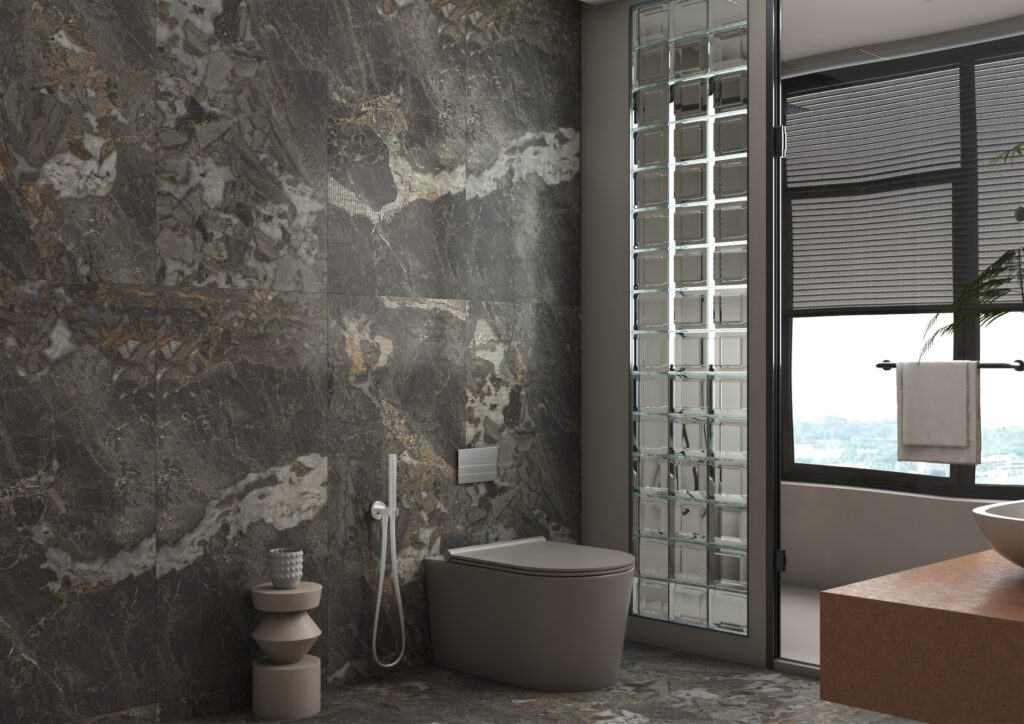
A decorative glaze layer is applied over the vitrified base, enabling near-unlimited design variety — wood textures, stone looks, abstract patterns — printed digitally with sub-millimetre precision. Available in glossy, matte, or satin finishes.
- Best for: living rooms, bedrooms, feature walls
- Thickness: typically 9–10mm
- Design variety: extremely high
4. PGVT — Polished Glazed Vitrified Tiles
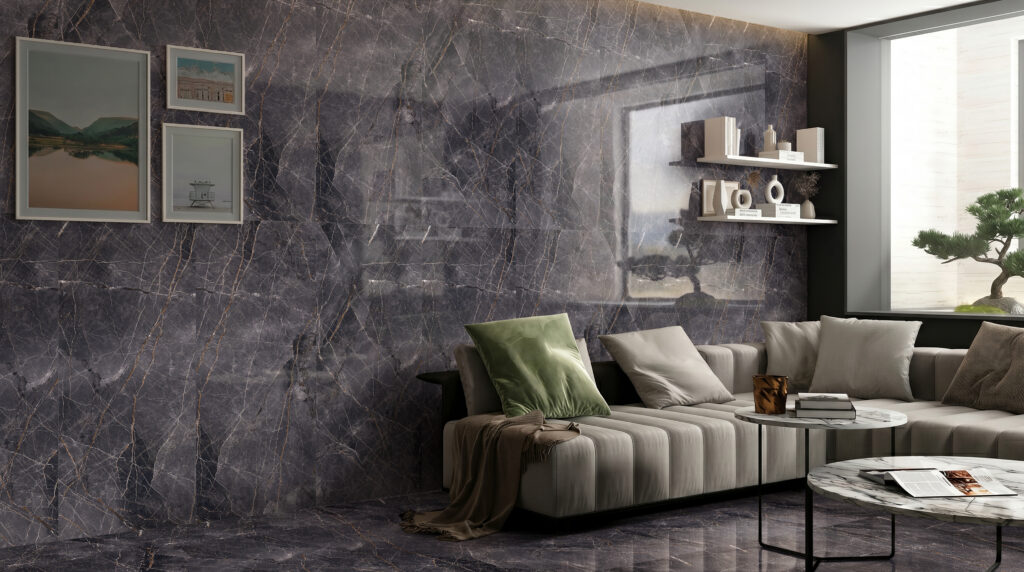
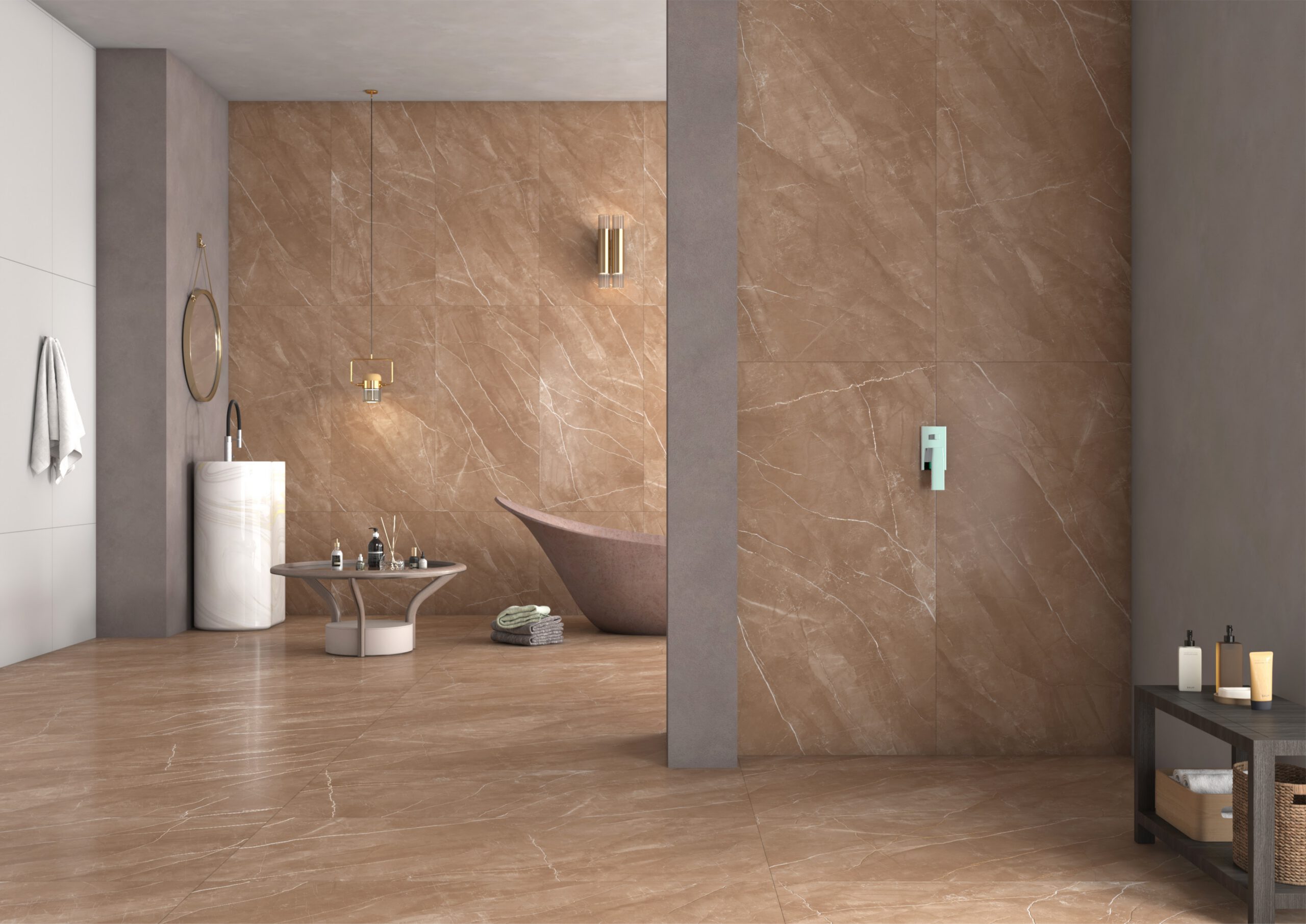
GVT taken one step further — after glazing, the surface is machine-polished to a mirror shine. Reflects light beautifully and makes spaces feel larger and more luxurious. Best for premium living rooms, hotel lobbies, and showrooms.
5. Double Charge Tiles
Two layers of pigmented granules are pressed together at extremely high pressure. The design penetrates 3–4mm deep into the body, making it virtually scratch-proof. Commercial-grade hardness — ideal for hospitals, offices, airports, and heavy-traffic floors.
6. Full Body Vitrified Tiles
Colour and pattern run completely through the tile from top to bottom. Even after decades of wear, the tile looks identical because the design is not just on the surface. Highest wear resistance of all tile types — ideal for industrial floors and outdoor spaces.
7. Step Riser Tiles
Purpose-engineered for staircases. Combines slip resistance (R9–R11 rating) with aesthetic design. Anti-skid nosing is built in. Safe, durable, and available in a range of finishes to complement any staircase design.
Wall Tiles vs Floor Tiles
Wall tiles are thinner and lighter but lack the load rating required for floors. Floor tiles must meet minimum hardness (PEI rating) and slip-resistance standards. Always match the tile type to the installation surface — never interchange without checking specifications.
How to Choose the Right Tile
Three factors decide the right tile: location (indoor vs outdoor), traffic level (residential vs commercial), and design preference. Use this guide as a starting point — and consult Sisam’s team for a personalised surface recommendation.